
Pressure monitoring diagnosis in Al Quoz
Tesla TPMS Sensor Replacement in Dubai
A tire-pressure warning does not automatically mean a failed sensor. Arrange Tesla TPMS diagnosis in Al Quoz to separate actual pressure loss from a monitoring fault, identify the system fitted to your vehicle and quote the correct repair. Replacement sensors are considered only where the hardware and findings support them.
Official sensor retail reference AED 240 including VAT. Fitting and diagnosis are quoted separately. Check the tire’s condition first. Do not drive on a flat or damaged tire to clear a warning.
Which situation matches your warning
Start with the tire before buying a sensor
Record the exact message and affected wheel. A dashboard warning describes a problem to investigate; it does not identify the replacement part.
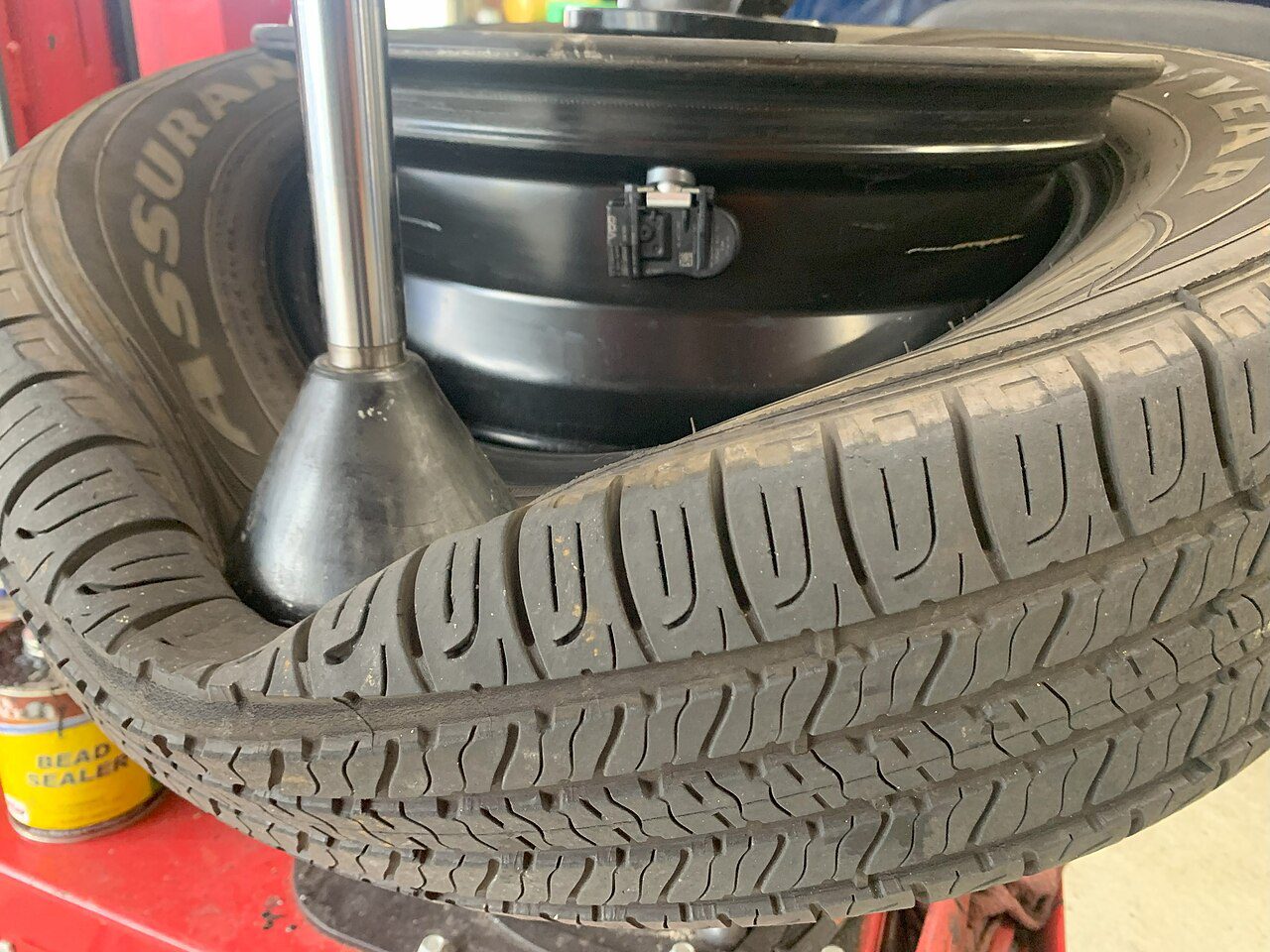
The tire is flat or visibly damaged
Physical condition takes priorityStop when safe and arrange suitable assistance. A bulge, exposed cords or rapid pressure loss needs attention before a monitoring check. Do not drive to make a reading appear.
The reading is low and the tire loses air
Check actual pressure and the leakA working sensor can correctly report a puncture, valve leak, bead leak or wheel problem. Tire repair or replacement assessment addresses the physical damage separately. Measure pressure and identify the leak before deciding that electronics need replacement.
A reading is missing or a fault persists
Check the installed monitoring systemConfirm actual pressures, recent wheel work and system compatibility. A malfunction can leave low-pressure warnings unavailable. Missing readings alone do not prove four failed sensors.
Understand the parts price and fitted total
What goes into a Tesla TPMS replacement bill
The number of confirmed faults, sensor compatibility and required wheel work determine the quote. A sensor retail price covers only part of the job.
Your fitted quote needs these lines
- Diagnosis
- Pressure and leak findings, system identification and the agreed diagnostic fee.
- Matched parts
- The correct sensor, quantity, valve service items and any specified new fasteners.
- Wheel work
- Wheel and tire access, installation, inflation, sealing checks and balancing as required.
- Completion
- Applicable recognition or configuration, final monitoring checks and the total including VAT.
Confirm whether the diagnostic fee is credited toward repair. Tires, wheel damage, receiver faults and recovery need separate approval unless included.
Tesla’s UAE Shop pricing policy confirms that displayed product prices include VAT. Installation is included only when a product listing expressly says so. Stock and suitability are not established by this benchmark. Request a complete written fitted quote before ordering or approving work.
Three different repair needs
The valve, transmitter and vehicle need separate checks
Valve and seals
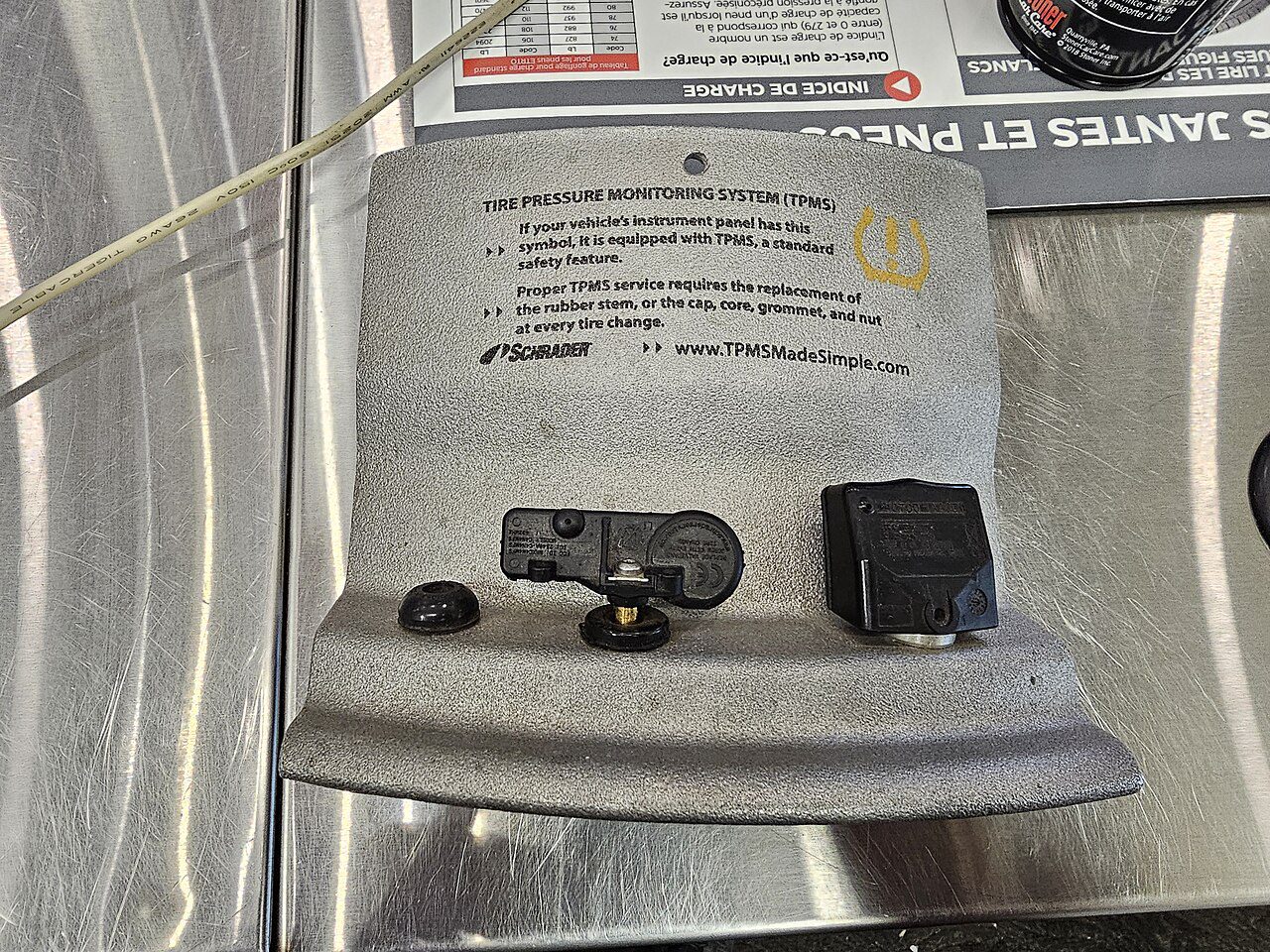
A leak can come from a serviceable valve component. The specified service kit and a leak check may resolve it while retaining healthy electronics, where the procedure permits.
Sensor electronics
A confirmed failed transmitter needs a correctly matched component. A sealed sensor battery is not an invitation to open or modify the assembly.
Recognition and vehicle faults
The sensor must work with the actual system. Incorrect parts, configuration or vehicle-side faults need their own remedy. Replacing a sensor is not the same as clearing a warning.
Evidence before replacement
The diagnosis follows a sequence
The useful result is a finding tied to the warning and the installed system, followed by an agreed repair and completion check.
Record what changed
Capture the exact warning, affected readings, when it started and any recent tire fitting, wheel replacement, sealant use or impact.
Establish the physical condition
Check actual tire pressure and inspect for leaks or damage. Resolve an unsafe tire condition before any road-based monitoring check.
Identify and test the fitted system
Confirm direct or indirect monitoring and relevant hardware. On a direct system, evaluate compatible sensor signals and vehicle findings using appropriate equipment.
Agree the repair, then verify
Quote only the justified parts and work. Follow the applicable recognition or calibration procedure, confirm the monitoring result and explain any remaining fault.
Compatibility before purchase
The model name does not identify the sensor
Direct monitoring
Wheel-mounted transmitters communicate pressure. Earlier radio systems and Bluetooth Low Energy hardware are not interchangeable because the valve fits. Match the prescribed component to the build and market.
Indirect monitoring
Some current Tesla configurations monitor pressure loss without a transmitter in every wheel. Diagnosis and calibration follow a different route. Ordering a sensor set is not the default remedy.
For imported cars, changed wheels or retrofits, confirm the installed system and any required vehicle configuration. A retrofit is a different job from replacing one compatible failed sensor.
Tesla’s current Model 3 tire guidance describes both systems. Use the instructions for your actual vehicle. On the current Model 3 manual, pressure values under Controls and Service identify direct monitoring; an indirect configuration needs its own calibration procedure.
Choose a repair that answers the finding
Genuine, validated alternative or no new sensor
Keep a functioning sensor
If the finding is a serviceable valve leak or an appropriate setup issue, ask whether the existing electronics can stay. A replacement part should have a documented reason.
Specify the replacement
For a failed transmitter, compare the matched genuine part with an alternative validated for the exact system. A universal label or a list of Tesla models is insufficient. Confirm setup requirements and written parts and labor cover.
Investigate a wider fault
Multiple missing readings after a wheel change need compatibility and vehicle checks. Do not approve four sensors without evidence. On an indirect system, follow its calibration and diagnostic route.
Before buying your own part, confirm that the workshop can fit and verify it, and agree responsibility if it is incompatible. If an existing vehicle or repair warranty may apply, check the relevant terms before authorizing paid work.
Three hypothetical parts budgets
One confirmed fault and a full set have different costs
These examples use the AED 240 Tesla retail sensor benchmark, including VAT. They show sensor parts subtotals only. Diagnosis, fitting, service items, balancing, setup and delivery are additional as applicable.
2022 Model 3 with one confirmed sensor fault
Assumes a compatible direct system, one failed transmitter and serviceable remaining sensors. Replace the identified component and verify operation.
Part category: matched Tesla sensor. Tire and wheel damage are outside this example.Fitted total requires a quote
2023 Model Y with two confirmed failed sensors
Assumes diagnosis supports replacing two compatible transmitters. The other two are retained only after checks support that decision.
Part category: two matched Tesla sensors. Further faults and vehicle-side repairs are excluded.Fitted total requires a quote
2022 Model X with incompatible replacement-wheel sensors
Assumes a compatible direct-system configuration and evidence that all four supplied sensors are unsuitable. Confirm the correct parts and required setup before approval.
Part category: four matched Tesla sensors. A retrofit, receiver fault or damaged wheel is a separate job.Fitted total requires a quote
The workshop quote must confirm actual part availability, installation charges, VAT on the complete job and written parts and labor warranty. No fixed warranty period or completion time is implied by these retail-based examples.
Handover and routine care
Check pressure and monitoring separately
At collection
Ask which component was replaced or serviced, what setup was completed and how operation was verified. Keep the parts identification, invoice and warranty terms.
During normal use
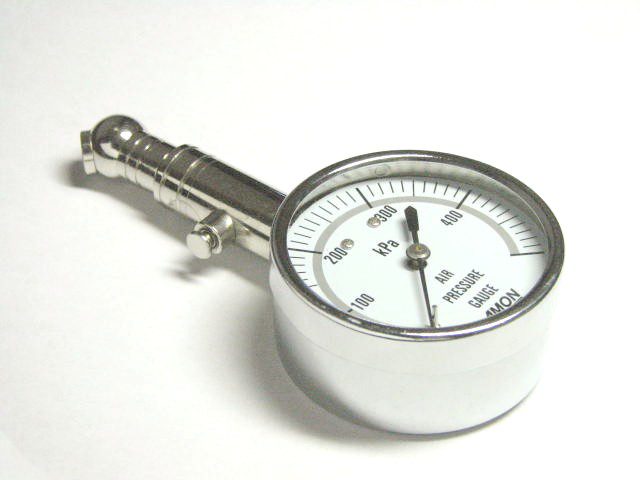
Check cold tire pressures against the vehicle’s specified label. A pressure-monitoring system supplements routine checks; a last displayed value is not necessarily a fresh measurement.
After tire or wheel work
Follow the applicable vehicle instructions. Direct sensor recognition and indirect calibration are different procedures. Do not repeatedly reset a warning without correcting the underlying issue.
Recognition is different from calibration
A direct system must recognize compatible sensors and show current readings. An indirect system needs the prescribed pressure calibration after relevant changes. Any drive used for verification must follow the actual manual and begin only after pressure and tire condition are safe. Resetting a warning is not a repair.
If the warning returns
Note the message, affected wheel and circumstances, then contact the workshop. Report pressure loss or visible damage immediately. Tell the fitter about sealant use or prior valve work.
How much does Tesla TPMS sensor replacement cost?
The official sensor retail reference is AED 240 including VAT for one compatible sensor. This is a parts-only comparison. The fitted workshop total includes separately confirmed diagnosis, tire access, valve items, balancing where required and monitoring checks. Confirm the full total before approval.
How long does the repair take?
Timing depends on the diagnosis, compatible stock and required wheel work or setup. Ask for an appointment and completion estimate once the system and repair are identified. A sensor-only job and a leak or vehicle-side fault do not have the same work or timing.
Does every Tesla have a pressure sensor inside each wheel?
No. Direct systems use wheel sensors, while some configurations use indirect monitoring. Confirm the vehicle’s build, market and installed system. Do not buy a four-sensor set solely from the model name or registration year.
Can a TPMS sensor battery be changed separately?
Many direct sensors have a sealed battery and are serviced as an assembly when battery failure is confirmed. The prescribed part and procedure determine the repair. Do not open or modify a sealed sensor as a substitute for the specified replacement.
Should all four sensors be replaced when one fails?
Not automatically. Check the affected sensor, the other readings and the system’s condition. Replacing additional parts should have an explained reason, a compatible specification and a separate cost approval.
Will an aftermarket sensor work with my Tesla?
Only a part validated for the actual monitoring system and configuration should be considered. “Universal,” a matching valve shape or a Tesla model list is not sufficient proof. Confirm compatibility, setup needs and written warranty before purchase.
Why might a warning remain after tire fitting?
Possible causes include actual pressure loss, incompatible sensors, incomplete recognition or calibration, or another system fault. The next step depends on the installed system. A tire change, software update or repeated reset should not be assumed to resolve every warning.
Can I drive with a TPMS fault to reach the workshop?
First establish tire condition and actual pressures, and follow the vehicle’s warning instructions. Do not drive on a flat, damaged or rapidly deflating tire. A monitoring fault may mean low-pressure warnings are unavailable, so call to discuss the warning and suitable arrival arrangements.
Identify the fault before ordering
Arrange Tesla TPMS diagnosis in Al Quoz
Send the model and year, exact warning, affected wheel readings and any recent tire or wheel work. Share the VIN privately if requested for matching. We will clarify the inspection and quote requirements before parts are approved.
AMF Auto Services LLC, Warehouse 39, Al Quoz 4, Dubai. Tesla Repair Dubai is an independent workshop. For tire selection rather than a monitoring fault, use our Tesla tire shop service.
An inquiry does not confirm diagnosis, compatibility, stock or an appointment. Call first if the tire may be unsafe to drive on.