
Independent Model S repair and maintenance
Tesla Model S Repair in Dubai
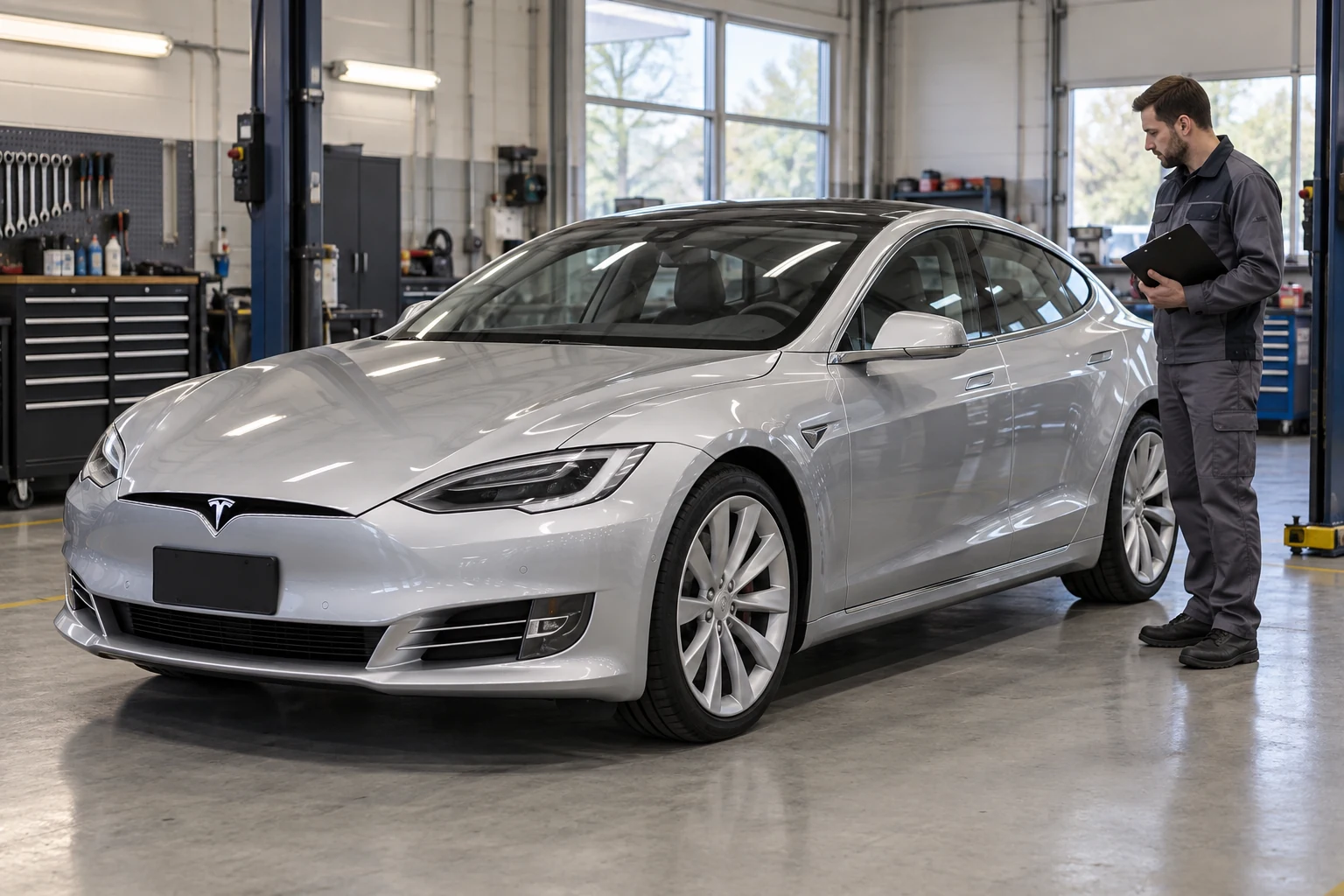
A door handle that stays flush, an uneven ride or an electrical warning can make your Model S difficult to use. Our Al Quoz workshop assesses the problem, explains the repair choices and prepares an estimate for your car’s generation and fitted parts.
Repair assessment · Due maintenance · Parts and fitting estimates
Budget for the work needed
Model S repair costs
A maintenance visit, a low-voltage battery replacement and a major drive-system repair are different purchases. These planning figures help separate them before a vehicle-specific quotation.
| Work being considered | Guide budget |
|---|---|
| Routine service check | AED 1,500–2,000 |
| Conventional 12V battery replacement | AED 1,200–1,500 |
| Major battery or powertrain work | AED 30,000 or more |
Indicative figures for the listed work, not fixed packages. The 12V guide applies only to compatible older cars, not a newer lithium auxiliary battery. Major battery or drive-system work can reach this level; smaller faults may need much less work. This is not a confirmed fitted price for a new battery pack.
The badge is the starting point
Which Model S do you drive?
The earlier Model S and the 2021-onward generation share a name, but the same replacement part or service instruction may not suit both. Production details and previous repairs help identify what is fitted now.
2012–2020 vehicles
Earlier cars and their revisions
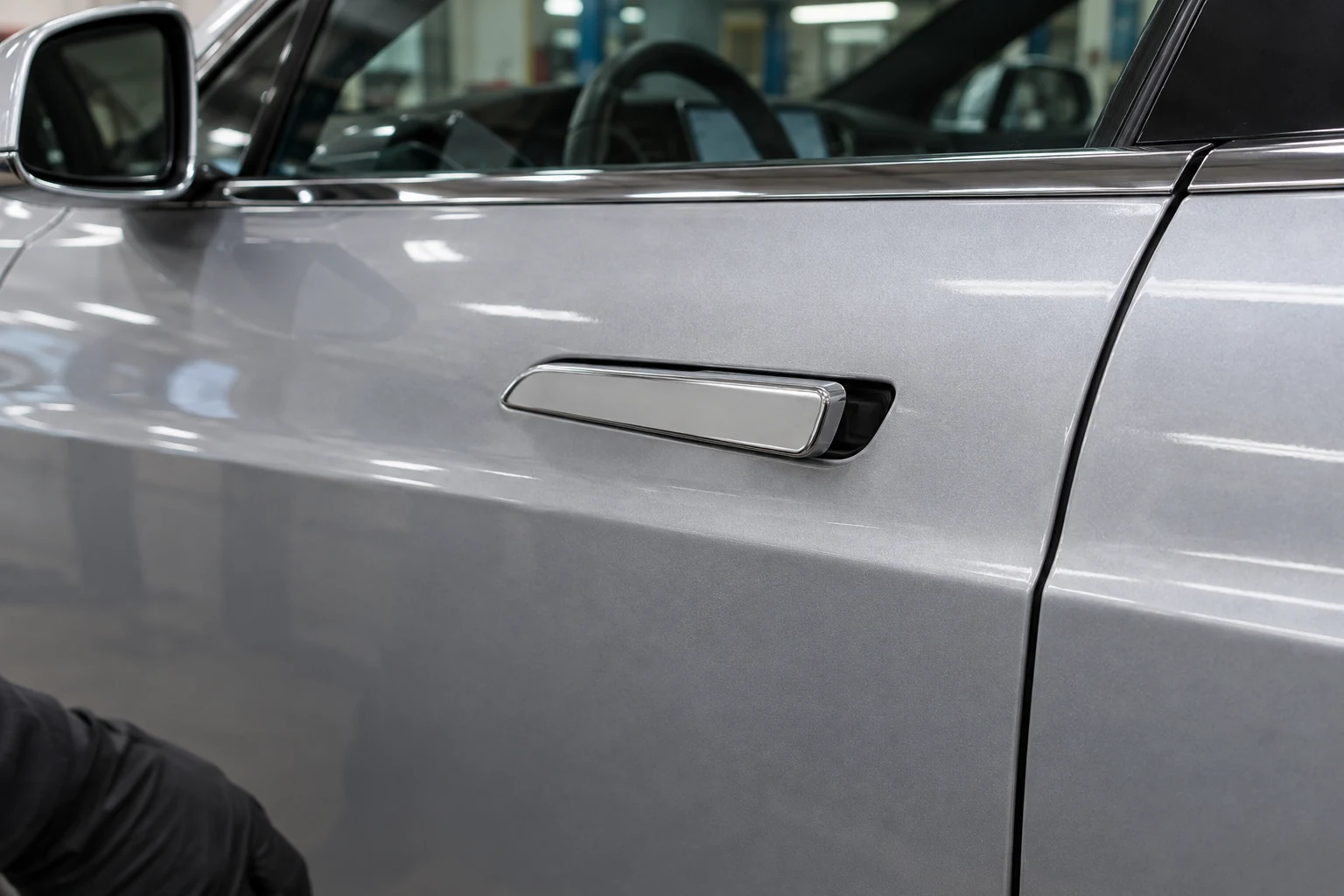
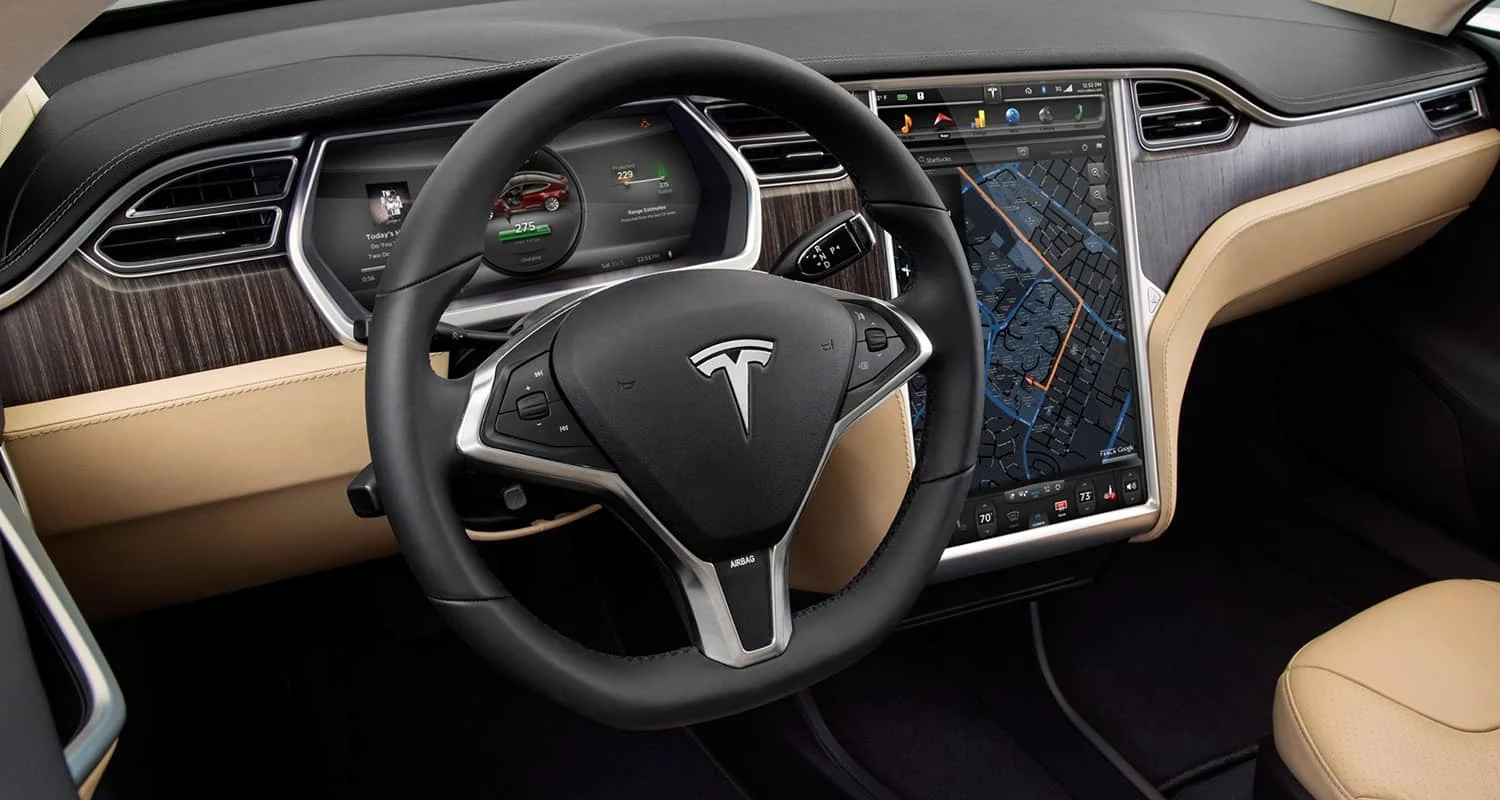
The portrait centre screen, presenting door handles and available opening sunroof create repair questions specific to this generation. Suspension can be coil-sprung or air-sprung, so an uneven ride should not automatically be sold as an air-suspension repair.
Handle assemblies changed during production and may have been replaced since. A registration year alone cannot identify the correct replacement.
2021-onward vehicles
Updated systems and fitment
The newer interior, key-card and phone-key functions, and revised low-voltage system change the work. A conventional 12V battery is not a universal replacement for these cars.
Long Range and Plaid enquiries also need the actual drive, brake and wheel specification. A performance badge does not establish which part has failed or justify replacing an entire assembly.
Start with the year and the problem you want fixed. We can request the VIN or a parts photograph when needed, rather than expecting you to identify the component before calling.
Restore everyday access
Doors, handles and glass
A handle that will not extend needs a different assessment from one that extends normally but does not release the door. The mechanism, electrical operation and latch must be distinguished before parts are ordered.
One handle stops presenting
Identify the installed handle generation and test its operation. Depending on the confirmed fault and available service parts, the estimate may cover a component repair or a compatible assembly.
The door will not release
Describe whether it opens from inside, whether other doors work and whether the car recognises the key. A latch, release or access problem should not automatically become a new door shell.
Our door and handle repair service explains the fitting and replacement choices in more detail.
Window travel and sealing
Frameless glass needs to move and seat correctly. A catching window, wind noise or water entry calls for checks of adjustment, seals and the window mechanism. Explain whether the problem followed glass or door work.
Opening roof or fixed glass
Some earlier cars have an opening sunroof. Its movement fault is different from cracked fixed roof glass or a seal leak. Identify the fitted roof before deciding whether the job involves glass, seals or the opening mechanism.
Ride height and road feel
Suspension, steering and tyre wear
A low corner, a knock over a bump and vibration through the steering are different clues. The assessment should connect the complaint to a finding, then price the parts needed to correct it.
If the car sits unevenly
On an air-suspension car, leaks, the air supply, height sensing and controls may need investigation. A low corner alone does not prove the compressor has failed. The repair plan should explain the cause and any required height checks after fitting.
Tell us whether the car settles while parked or changes height while driving. Severe loss of clearance, tyre contact or a stop-driving warning needs a safe arrival arrangement.
If it knocks, pulls or vibrates
Control arms, bushes, joints, tyres and wheels need checks suited to the symptom. Wheel alignment cannot cure a worn joint, and balancing is a different service from correcting suspension geometry.
Different front and rear tyre sizes restrict rotation. The fitted sizes, tread direction and wear pattern determine what is appropriate; moving every wheel front to rear is not a universal Model S service.
Keep the diagnosis specific
Electrical, charging and drive concerns
An alert names a problem the car has detected, but may not identify the failed part. Share the exact message and when it appears so the appointment can begin with the right investigation.
- The car will not wake
- Low-voltage power, key recognition and vehicle supply faults need separating from a traction-battery problem. The auxiliary battery type and any related charging fault must be identified before replacement.
- Charging stops or will not start
- Mention whether it happens at home, on AC public charging or at a DC charger, and whether other locations work. Charging equipment, the connector and vehicle hardware can require different checks. Imported cars need particular attention to their original market and charging fitment.
- A battery or power alert appears
- Assessment should establish whether the concern involves the pack, its cooling, electrical supply or another drive component. A dashboard range estimate alone cannot establish battery health or prove a replacement is needed.
- Noise changes with acceleration
- Describe whether it follows road speed, power application or turning. Tyres, wheel bearings, driveline components and a drive unit can require different investigations. A new noise is not enough evidence to order a motor. Our Tesla motor and drive-unit assessment page explains diagnosis, repair options and replacement budgeting.
If a traction-battery replacement is justified, our battery replacement service explains compatible pack selection, condition and the complete fitted quotation. Internal battery repair and upgrades require separate confirmation for the actual vehicle.
Cabin functions that matter
Screens and climate control
Separate display faults from upgrades
A blank screen, intermittent reboot or missing camera image needs assessment of the actual symptom, power supply and installed hardware. Replacing the screen is not automatically the answer, and an infotainment upgrade is a separate purchase.
Mention previous display or computer replacement and any aftermarket equipment. Compatibility and available setup must be established before a replacement unit or retrofit is offered.
Explain how the AC behaves
Weak airflow, warm air and a cooling problem only while charging are different complaints. Filters, refrigerant leaks, airflow and thermal-system operation each need appropriate checks. Heat-pump equipment and refrigerant specification must follow the vehicle’s build.
Cooling performance can change temporarily during demanding charging conditions. Persistent warm air or a warning deserves investigation; a routine gas top-up should not replace finding a leak or another fault.
Book the tasks that are due
Maintenance for your Model S
A Model S does not need petrol-engine oil, spark plugs or exhaust servicing. Its maintenance plan should follow the applicable vehicle guidance, previous work and actual condition.
An optional general check can help organise due jobs, but one annual or 20,000 km package should not be described as a universal Tesla requirement. Bring the service history you have so recent work is not repeated.
- Filters and airflow: Identify cabin and any equipped HEPA elements separately. Use the latest guidance for your particular car and their condition, rather than automatically replacing every filter annually.
- Brake condition: Check pads, discs and caliper operation as required. Regenerative braking does not eliminate friction-brake maintenance. Brake-fluid testing is separate from a pad replacement.
- Fluid health: Tesla’s applicable maintenance guidance calls for a brake-fluid health check, with replacement if necessary. Coolant or refrigerant work should have a defined reason, not an automatic top-up or flush at every visit.
- Tyres, wipers and lights: Assess wear, pressure loss, visibility and operation. Agree replacement where condition or the vehicle’s schedule requires it.
Make the repair straightforward
Parts, time and collection
A useful estimate names the work and explains what happens next. Identifying a fault, sourcing a part and fitting it are separate stages, so ask about each when planning time without the car.
Before you leave the car
- Agree the investigation charge and the work authorised at this stage.
- Confirm compatible parts, their stated condition and expected supply time.
- Ask which repairs can be completed together and which need a separate specialist assessment.
- Check any written parts and labour warranty for the quoted job.
Tell us about previous repairs, modifications or water exposure. If the car cannot move safely, discuss suitable recovery before attempting the journey. Availability and transport charges need confirming.
Before you collect it
Review the work completed and the checks relevant to your original complaint. These may include door operation, charging, a permitted road test, suspension height or cooling performance.
Keep the itemised invoice, parts details and any remaining recommendations. Ask what is covered if the same symptom returns, and whether there is aftercare or a follow-up check for the repair.
Do not assume a replaced component resolves a separate warning that was outside the agreed work. Have any remaining concern explained before collection.
Can I bring a Plaid or an imported Model S?
Tell us the year, version and original market when arranging the work. Parts, charging hardware and software-dependent functions may differ. Acceptance of the particular repair, compatible parts and any required setup should be confirmed before you bring the car.
Should I contact Tesla about a possible warranty fault?
Yes. Check your vehicle’s warranty position and any applicable recall with Tesla before authorising a paid independent repair. A workshop assessment does not decide manufacturer coverage, especially where a vehicle has been imported.
Can you fit a replacement part I have already bought?
Ask before delivery. The part’s identity, condition and compatibility need checking, together with whether the workshop accepts it and what fitting or warranty terms would apply. A matching model name on a listing is not enough to confirm fitment.
TeslaRepair Dubai
Arrange your Model S repair
Call or send the year and a short description of the problem. A warning-message photo or a brief video of a handle or noise can help us discuss the next step and prepare for your visit.
Our independent workshop is at Warehouse 39, Al Quoz 4, Dubai. Confirm your appointment and the agreed assessment before bringing the car.