
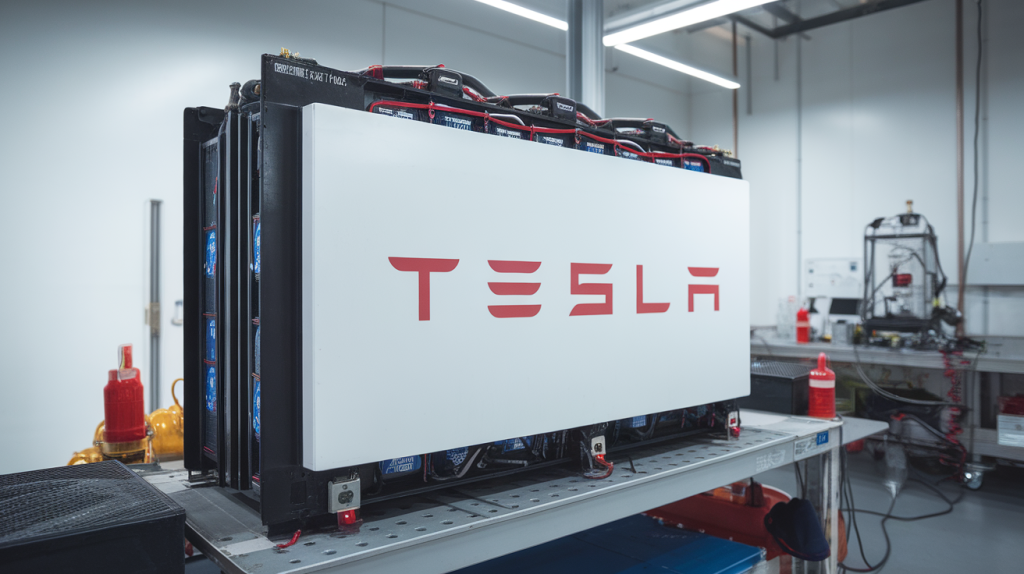
What happens when your Tesla’s range suddenly drops by 30% during a Dubai heatwave? That is not just a glitch. It is your battery telling you something is wrong. In the UAE, where temperatures often cross 50°C, your Tesla battery health degrades faster than in cooler climates. Although most batteries are rated for 8 years or 160,000 km, local conditions can shorten that lifespan. This blog shows you exactly when to replace your Tesla battery in Dubai, what warning signs to take seriously, how to check battery degradation, and whether Tesla battery replacement costs are really worth it or not.
Is Tesla Battery Replacement Even Common?
When people hear the phrase Tesla battery replacement, they often imagine it is a regular part of EV ownership especially in a place like Dubai where the heat pushes every component to its limit. But the numbers tell a different story. Across all Tesla models, full battery replacements are actually rare. Data shows that most Tesla batteries retain over 90% of their original capacity even after 200,000 miles. In fact, global replacement rates hover around 1.5%, and in newer models like the Model 3, it is even lower. That means if your battery is showing issues, the problem might be something else software, BMS error or calibration, not the need for an outright replacement.
That said, Tesla battery health in Dubai does face unique challenges. Constant exposure to 50°C weather, daily fast charging, and long urban commutes can accelerate battery wear. But even then, an actual battery replacement is usually a last resort. With proper charging habits and temperature management, most Tesla owners never need a full battery swap during the car’s expected lifespan. This guide helps you understand when a Tesla battery replacement is truly needed and when it is not. Knowing the difference can save you a fortune.
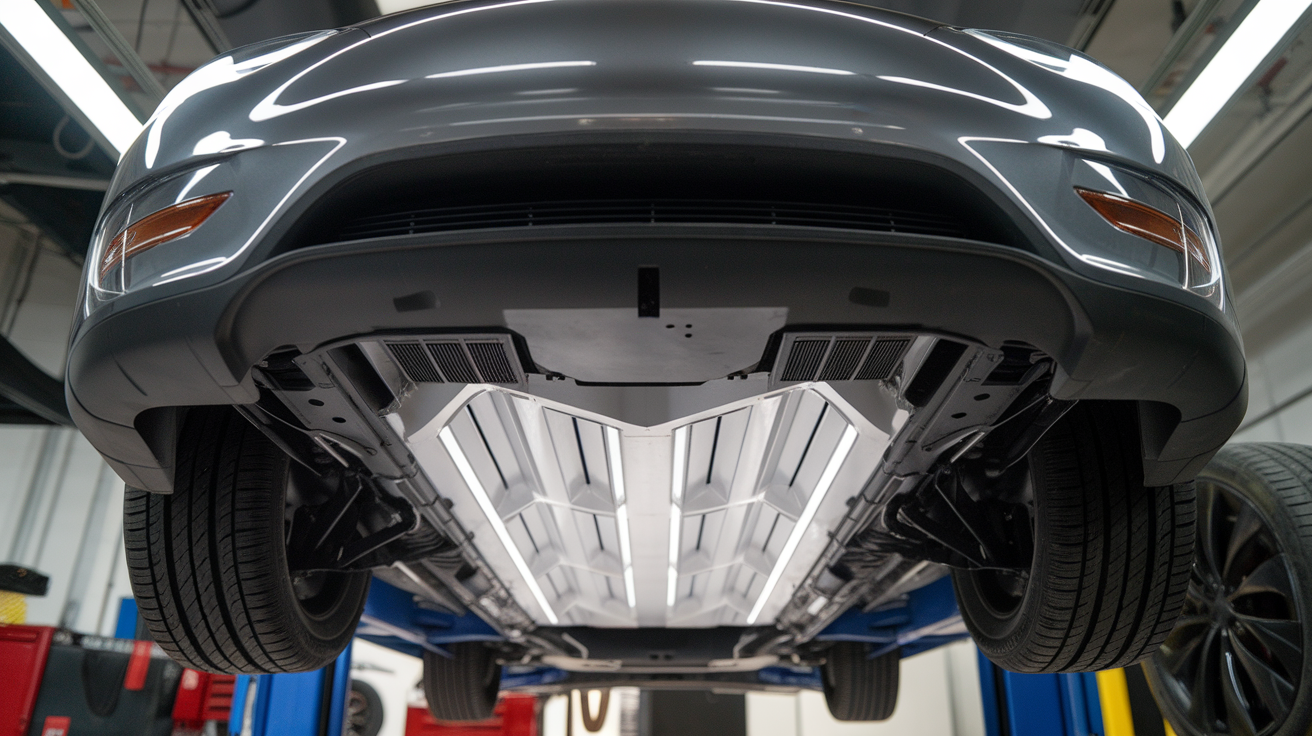
Tesla Battery Lifespan | What the Data Says
A lot of Tesla owners worry their battery might give up within a few years especially in a hot climate like Dubai. But if you look at the numbers, the reality is far more dependable than the rumors. Most Tesla batteries hold up impressively well, even under tough daily conditions. Let’s break it down with real data and facts.
- Rated lifespan: Tesla batteries are backed by an 8-year or 160,000–192,000 km warranty, depending on model
- Real-world data: Most Teslas lose only 1% battery capacity per year based on global fleet studies
- Long-term use: Vehicles with 200,000–300,000 km on the odometer still show 85–90% capacity
- Model impact: Model S and Model X show slightly slower degradation than Model 3 or Y, due to larger packs
- Dubai impact: Continuous exposure to 50°C+ temperatures, daily fast charging, or low charge storage can speed up degradation
So, while a Tesla battery replacement is technically possible, the odds of actually needing one during ownership are low, if you treat your battery right. Dubai’s climate adds pressure, but smart charging habits can stretch battery health well past the factory numbers.
When to Replace Your Tesla Battery | Real-World Triggers
Most Tesla owners won’t face a battery failure but some will face a moment when the car just doesn’t perform like it used to. The question is not just if the battery can still move the car, but how well it holds up in daily Dubai driving. This section is about those early triggers, clear, measurable changes that suggest your Tesla battery is reaching the end of its usable life.
- Noticeable range loss: If your car used to deliver 450 km and now struggles to hit 300 km at 100% charge, that’s more than normal degradation
- Degradation beyond 30%: Tesla considers 70% capacity as the lower limit before warranty kicks in. Anything below that is a serious red flag
- Frequent charging required: If you’re plugging in almost daily for short drives, that’s a sign your usable battery has shrunk
- BMS (Battery Management System) alerts: Warning messages related to battery health, charging limits, or voltage imbalances are not to be ignored. These alerts often show up alongside other system warnings, such as Tesla brake warning issues, reminding owners that the car’s diagnostics should never be overlooked.
- Charging inconsistencies: Slower charging, failure to reach full capacity, or sudden drops after unplugging can signal deeper battery wear
- Thermal throttling: Performance drops when the battery gets hot too quickly, especially during back-to-back drives in Dubai heat
A Tesla battery replacement is not about total shutdown. It’s about noticing performance slip before it affects your daily use. If these triggers sound familiar, it may be time to stop guessing and get a professional battery health check done before it escalates.
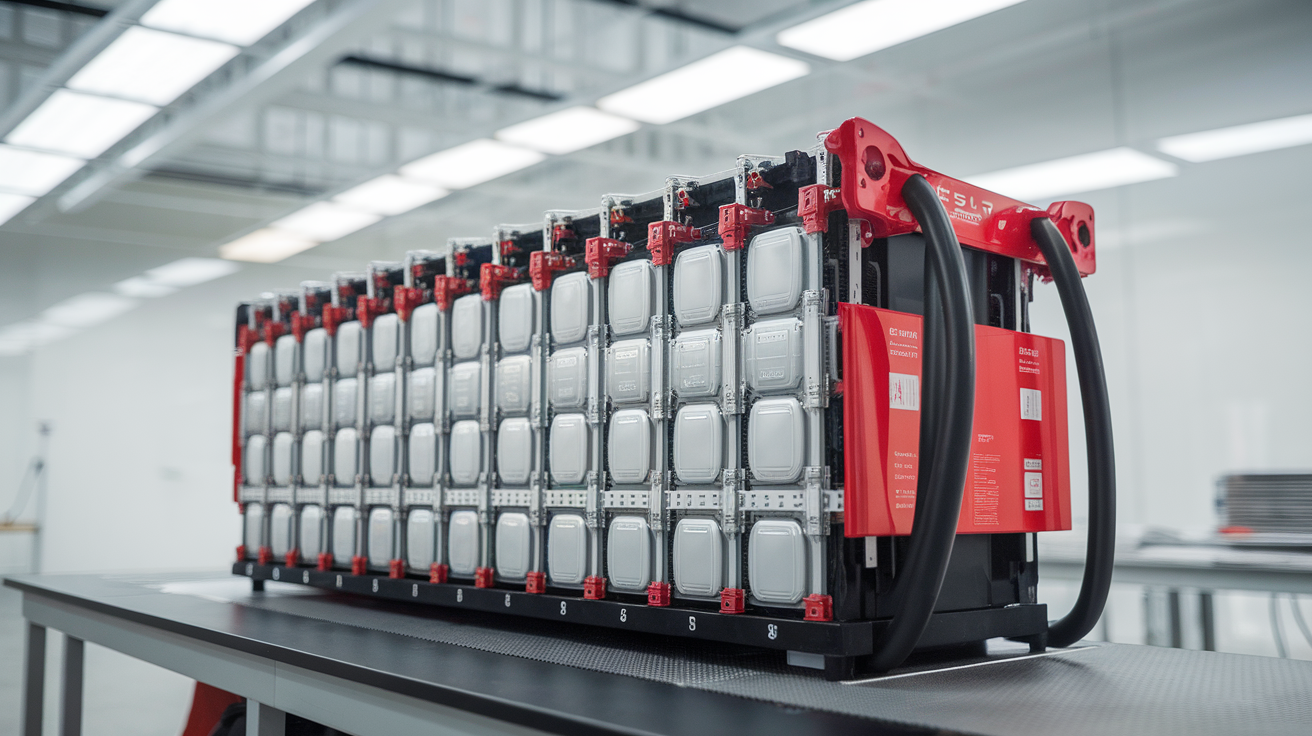
How to Check Your Tesla Battery Health (Without Guesswork)
You do not have to wait for your Tesla to break down before taking battery health seriously, especially not in a place like Dubai. In this heat, even a small drop in performance can quickly turn into a full-blown range crisis. And the warning signs? They are not always obvious. That’s why checking your Tesla battery health regularly is more than just good practice. It is the smart way to avoid surprise replacement costs.
- Tesla App, Quick Range Check
Open the Tesla app and check the rated range at 100% charge. Compare that to your model’s original range. A 10–15% drop is normal over time, but if you see anything over 25%, it is time to dig deeper. - Trip Meter + Battery Use
Fully charge your car, reset the trip meter, and drive until near empty. Then divide total kilometers by kWh used. If your average efficiency has dropped and range has shrunk, you are losing usable capacity. - On-Screen Energy Graph
Tesla’s built-in energy graph shows live projected range vs actual usage. If the curve is unstable or jumps often, it could point to cell imbalance or internal resistance changes within the battery pack. - Scan My Tesla + OBD2 Adapter
This third-party tool gives you a window into the technical side, voltage spreads, charge cycles, battery temps. If you are serious about knowing your battery’s internal state, this combo is powerful and relatively affordable. - Tesla Toolbox & BMS Logs
The only way to get deep module-level diagnostics is through the Tesla Toolbox. It reveals exact degradation per module, fault codes, and thermal issues. You will need access through a Tesla-trained specialist or workshop.
Want a real picture of your Tesla battery health, not just a guess? Book a full battery diagnostic at our Dubai repair facility. We use Tesla-specific tools to check what the app cannot. No assumptions. No delays. Just data.
Tesla Battery Warranty in UAE | What’s Covered?
You might be wondering, is Tesla battery replacement ever going to be free in Dubai? Well, the answer isn’t a flat yes but it is pretty reassuring. Tesla backs its high‑voltage battery and drive unit for a solid 8 years, depending on the model, with a minimum distance of about 120,000 km for models like the Model 3 Long Range or Model Y, some older or higher-end models extend up to 150,000 miles (~240,000 km). Most importantly, Tesla guarantees you will get at least 70 % of the original battery capacity during that period. Hit that threshold and they cover it, no questions asked. But that peace-of-mind only applies if the issue is genuine battery wear, not damage from outside factors or wild experiments.
Just one wrong turn like swapping your battery out with non‑Tesla tech or ignoring software updates and the warranty could vanish. Tesla’s terms are clear: any unauthorized tampering, modifications, or service by non-Tesla personnel voids coverage. Plus, the warranty does not cover gradual capacity loss that happens simply through normal use. Knowing this matters. Because down the line, you want to be able to confidently ask: “Are you sure I really need a Tesla battery replacement in UAE, or can we work with the warranty?”
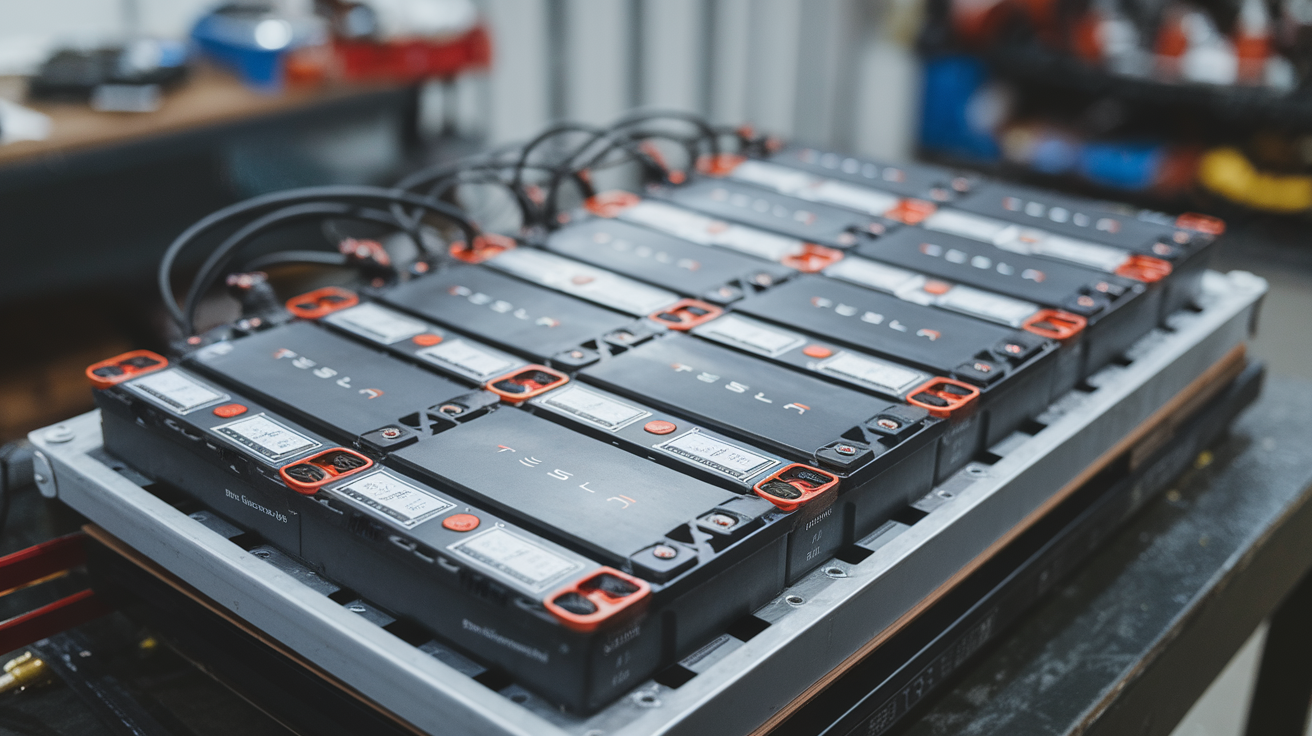
Can You Delay Replacement? (Or Fix It Temporarily?)
Just because your Tesla battery is acting up does not always mean you need to replace it right away. In fact, many owners in Dubai rush into Tesla battery replacement thinking it’s the only fix, when it is often not. There are temporary solutions and repair routes that can extend battery life or fix performance issues without the AED 50,000+ hit. But timing and diagnosis matter. Delay it too long, and small issues can snowball into irreversible battery failure.
- BMS Reset or Recalibration
Sometimes what looks like range loss is just a miscommunication between the battery and software. A simple Battery Management System recalibration by a specialist can restore lost range if the modules are healthy. - Cell Balancing or Cooling System Repair
Uneven cell performance or poor thermal regulation can trigger rapid capacity dips. Fixing the battery coolant system or balancing the modules can sometimes recover lost efficiency, no replacement needed. - Voltage Drops After Charging
If your car charges to 100% but quickly drops to 90% or lower after unplugging, the issue might be internal resistance, not failed cells. This is often repairable if caught early. - Charging Strategy Changes
Switching to slower home charging and avoiding deep discharges can stabilize performance. Especially in Dubai’s heat, limiting Supercharger use can slow further degradation. - Software Updates
Tesla occasionally releases firmware that improves battery performance or recalibrates range estimates. Some owners have seen partial capacity recovery after key software patches.
Still unsure if repair will cut it? Book a Tesla battery scan at our Dubai facility. We’ll give you the numbers, not assumptions. If it can be fixed, we fix it. If it can’t, you’ll know exactly why.
Should You Buy a Used Tesla Battery in Dubai?
Buying a secondhand Tesla battery might sound like a smart way to save AEDs, until you realize how risky it actually is. In Dubai’s extreme climate, where daily heat exceeds 45°C, used batteries may already carry hidden damage you cannot spot with a visual check. Many of these packs have been through hundreds of charge cycles, often from Superchargers, and if they have not been stored or cooled properly, internal degradation adds up fast. Worse? There’s rarely a reliable warranty or performance guarantee with these units, especially outside of Tesla’s own network. Here’s what you need to consider before touching a used battery:
- Health reports must be detailed – You need module-level capacity data, not just someone saying “it works”
- Compatibility matters – Not all Tesla packs fit across models or BMS versions, especially after updates
- Cooling wear and tear – Dubai’s heat punishes battery cooling systems; if it’s been sitting, those issues might already be baked in
- No OEM warranty – Original Tesla warranties do not transfer to used battery buyers outside authorized channels
- Installation risk – One wrong move during install can cause thermal issues, faults, or even fire risk
Unless you are getting the battery professionally inspected and installed with diagnostic proof of health, it’s often safer to avoid secondhand packs altogether. Book a Tesla battery diagnostic first, and you might find your current one is still usable with minor repairs. Why buy a gamble when you can get real data?
Replace, Repair, or Wait It Out? Here’s the Smart Call
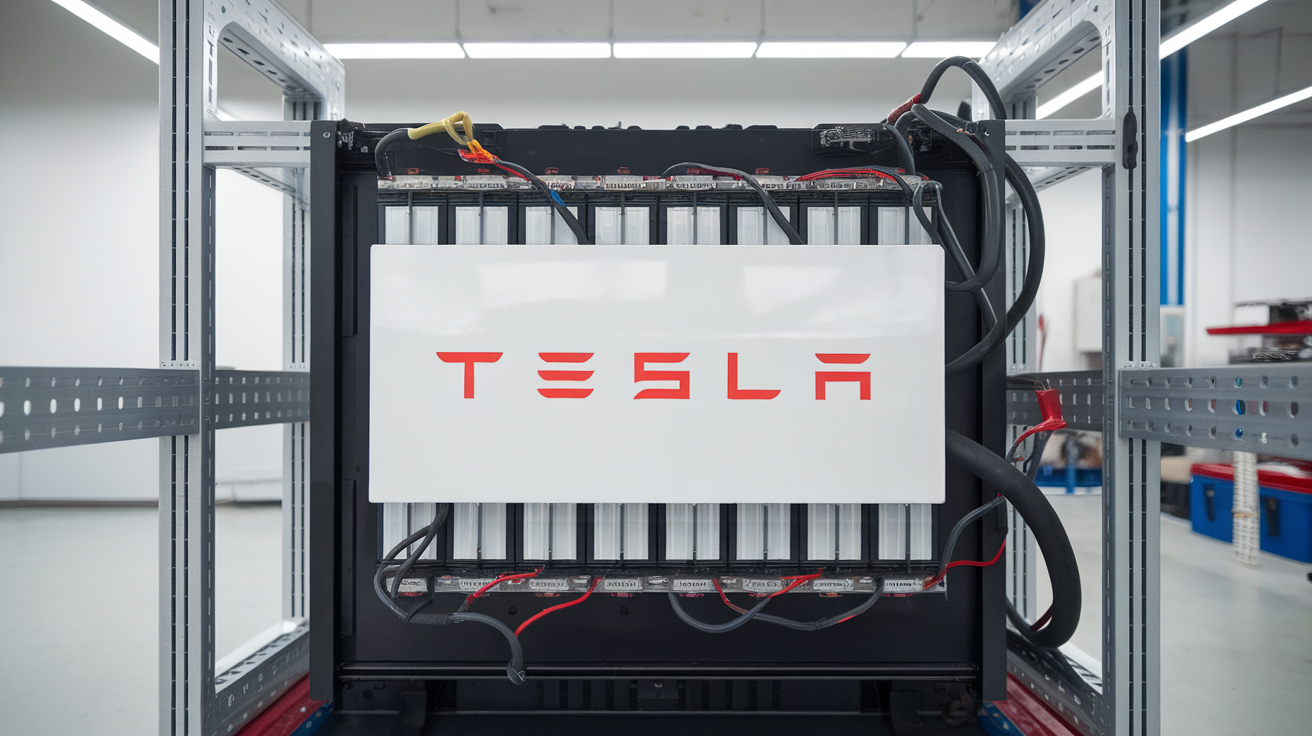
Not every issue with your Tesla battery calls for a full replacement, especially not in Dubai, where heat and fast charging can cause temporary problems that look worse than they are. In many cases, a professional battery repair can restore lost performance without needing a full pack swap. But the real risk? Ignoring early signs and letting things get worse. Here’s how to break it down:
- Battery under warranty and below 70% capacity → Schedule a Tesla battery replacement through Tesla’s official service
- Out of warranty but no critical damage? → Look into battery repair, module balancing, or BMS recalibration, it could save you thousands
- Seeing range loss, voltage errors, or thermal issues? → Book a full Tesla battery diagnostic to confirm if it’s repairable
- Physical swelling, overheating, or failed cells? → These require urgent attention, battery replacement may be unavoidable
- Not sure where you stand? → Don’t rely on guesswork. Get a proper battery health scan and let the data decide
If Tesla battery repair is possible, it’s almost always worth trying before committing to replacement. Just make sure you catch the problem early, Dubai’s heat doesn’t forgive hesitation.
Book Your Tesla Battery Check in Dubai
Not sure if your Tesla needs a battery repair or a full battery replacement? Stop guessing. A proper battery check gives you clear answers, before things get worse. We run full diagnostics using Tesla-specific tools to check capacity, module health, and internal faults.
Whether it’s minor degradation or critical cell failure, you’ll know exactly where your battery stands and what to do next. Book your Tesla battery check today and find out if it can be repaired, or if it’s time to replace. One test. No guesswork. All facts.
How to Extend Your Tesla Battery Life in Dubai
Dubai’s climate does not go easy on lithium-ion batteries. With temperatures soaring past 45°C, even the toughest Tesla battery packs face constant thermal stress. But if you know how to drive, charge, and store your Tesla the right way, you can slow down battery degradation and push off any thoughts of replacement for years. Here’s what actually helps:
- Charge between 20% and 80%
Going from 0 to 100% every time will wear your battery out faster. Keep it in the middle range unless you’re planning a long trip. - Avoid daily Supercharging
Superchargers are convenient but generate heat fast. Stick to Level 2 home charging when possible. It’s gentler and extends battery lifespan. - Park in shade or a cool garage
Heat is your battery’s enemy. If outdoor parking is your only option, consider using sunshades or thermal window film, or even exploring Tesla full painting services that include heat-reflective coatings to reduce cabin and battery temperatures. - Precondition your battery before driving
Use Tesla’s app to pre-cool the battery before heading out, especially if it’s been sitting in the sun. This reduces thermal shock and improves efficiency. - Keep software updated
Tesla pushes out firmware updates that often improve battery performance, thermal management, and charging logic. Skipping updates means missing out on battery life improvements.
Even in Dubai, where the weather works against your car every day, these steps can make a measurable difference. Follow them consistently, and you’ll delay both battery repair and Tesla battery replacement by thousands of kilometers.
Frequently Asked Questions (FAQs)
Q1: How do I know if my Tesla battery needs to be replaced?
If your range has dropped more than 30%, you’re charging much more often, or you’re getting battery health warnings, those are red flags. But don’t jump to conclusions. A full Tesla battery diagnostic will confirm whether it’s battery degradation or something repairable.
Q2: Can Tesla batteries be repaired instead of replaced?
Yes in many cases, Tesla battery repair is possible. If the issue is related to BMS faults, module imbalance, or cooling system errors, targeted repairs may restore performance without needing a full pack swap.
Q3: How long does a Tesla battery last in Dubai?
Most Tesla batteries last 8–10 years or over 160,000–200,000 km, but Dubai’s extreme heat and fast-charging habits can shorten that lifespan. With proper care, many owners still see 85–90% capacity after years of daily driving.
Q4: What is the cost of Tesla battery replacement in Dubai?
Out of warranty, the Tesla battery replacement cost can range from AED 40,000 to AED 80,000, depending on the model and battery type. This includes labor, calibration, and module installation.
Q5: Can I use a second-hand Tesla battery to save money?
It’s possible but risky. Used batteries may have unknown degradation or heat damage. Always request a full health report before buying, and make sure installation is done by a specialist.
Q6: What’s the best way to extend battery life in Dubai?
Avoid fast charging daily, keep charge levels between 20–80%, park in shaded areas, precondition the battery before driving, and stay on top of Tesla software updates. These habits reduce wear and extend battery lifespan.